The Future of Web Design in 2026
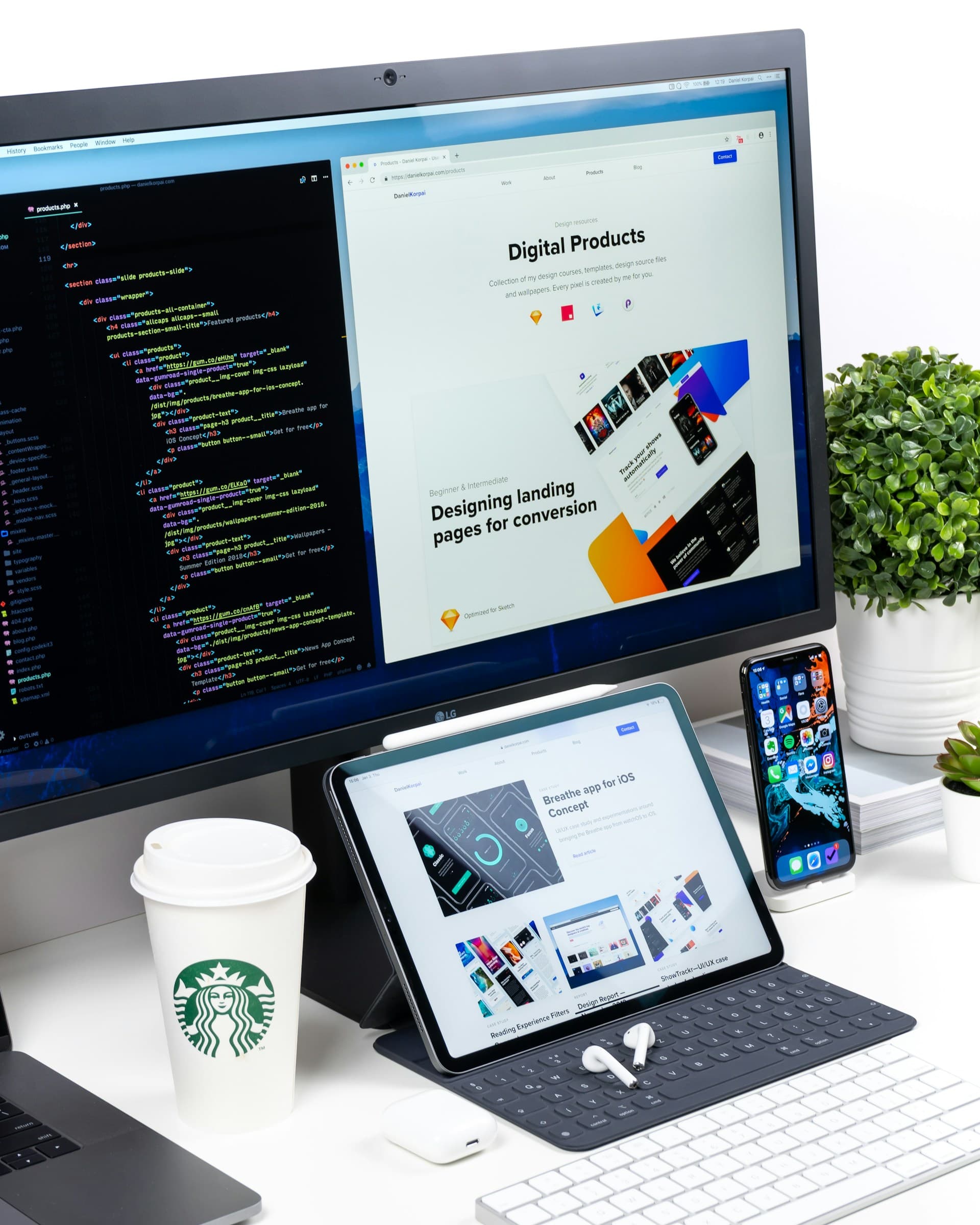
Web design is changing fast. Here’s what I think we’ll see more of next year.
AI Will Do the Boring Stuff
Designers already use AI tools to generate layouts and write copy. By 2026, this will be standard. You’ll sketch an idea, and AI will build a working prototype in minutes.
But here’s the thing—AI can’t replace creativity. It handles repetitive tasks so designers can focus on the parts that actually matter.
Speed Matters More Than Ever
People won’t wait for slow websites. If your page takes more than two seconds to load, they’re gone.
Developers are already optimizing everything—smaller images, cleaner code, faster servers. This trend will keep growing because users expect instant results.
Mobile-First Is Just “First”
Most people browse on their phones now. Desktop design feels like an afterthought.
In 2026, designers will build for mobile from the start. Desktop versions will be the adaptation, not the other way around.
Accessibility Isn’t Optional
More companies are getting sued for inaccessible websites. And honestly, it’s about time.
Good design works for everyone—people with disabilities included. Expect to see better contrast, keyboard navigation, and screen reader support as standard features.
Minimalism Stays, But With Personality
Clean designs aren’t going anywhere. But the bland, corporate look is dying.
We’ll see more brands adding character through custom illustrations, playful animations, and unique typography. Minimalism with personality—that’s the balance.
Voice and Gesture Controls
Typing is already feeling outdated. Voice search is common, and gesture controls are getting better.
Websites will need to work with these inputs. Think about how your site functions when someone isn’t using a mouse or keyboard.
Privacy Becomes a Feature
People care about their data now. Websites that respect privacy will stand out.
Expect clearer cookie notices, better data policies, and design choices that put user control first.
The Tools Will Change
Figma dominates today, but new tools are emerging. AI-powered design platforms will make prototyping faster and collaboration easier.
The best designers will adapt quickly to whatever tools work best.
What This Means for You
If you’re a designer, learn the basics of AI tools. If you’re a business owner, invest in speed and accessibility. And everyone should think mobile-first.
Web design in 2026 won’t look radically different. But the process will be faster, more accessible, and more user-focused.
The web keeps evolving. Keep up or get left behind.
Ready to Update Your Website?
If your site feels outdated or isn’t built for 2026, let’s fix that. I work with businesses that need modern, fast, and accessible web design—without the unnecessary complexity.
Visit rezaworks.com to get in touch. We can talk about your project and figure out what makes sense for your goals.
No pressure. Just a conversation about what your website needs.

Written by
Reza
Reza is a digital maker and the founder of RezaWorks. He focuses on shipping products that solve real problems. On this blog, he shares his journey in building businesses, productivity hacks, and the technical challenges he overcomes along the way.